How did theatre come about?
Where does theatre come from?
It is a living art form that is rooted in the culture of ancient Greece and appeared as early as the 5th/6th century BC.
The etymology of the word “theatre”
The etymology of the word “theatre” comes from the word
“theatron” which means “to contemplate”, or directly designates the place of the performance.
A Greek origin
Originating in Ancient Greece, and more specifically Athens, theatre was initially
a religious celebration dedicated to Dionysus, the god of wine, revelry, the arts, and festivities. During this celebration, various songs, called "dithyrambs," and dances were performed in praise of the Greek gods and heroes.
These ceremonies initially took place around the numerous temples in Athens, and later in open-air venues. Spectators were seated on stone steps, enjoying an ideal vantage point from which to watch the spectacle.
What is the structure of a play?
Ancient plays share the same structure, beginning with a prologue that introduces essential background information before the main narrative unfolds. Later, the chorus is introduced within the orchestra, perpetuating the lyrical dimension that lies at the very heart of theatre.
Then
the play unfolds in several acts, usually five, divided into several scenes which are marked by the songs of the chorus, thus adding commentary and a dramatic or comic dimension.
The play ends with “the exodos”, the final part where the chorus concludes the play.
The evolution of entertainment throughout history
Theatre has a long history; over the centuries, its evolution has constantly stopped in order to adapt to society.
The number of actors
Over time, the theatrical genre evolved, giving way to actors instead of followers.
Initially, there was a single protagonist, then later, several performers, as introduced by Sophocles and Aeschylus. Singing was a central element of a performance, particularly thanks to the chorus, which allowed for collective commentary on the action while still maintaining the song. It is interesting to note that theater has retained the same conventions for centuries: dance, song, and music.
An art dedicated to men
For a long time,
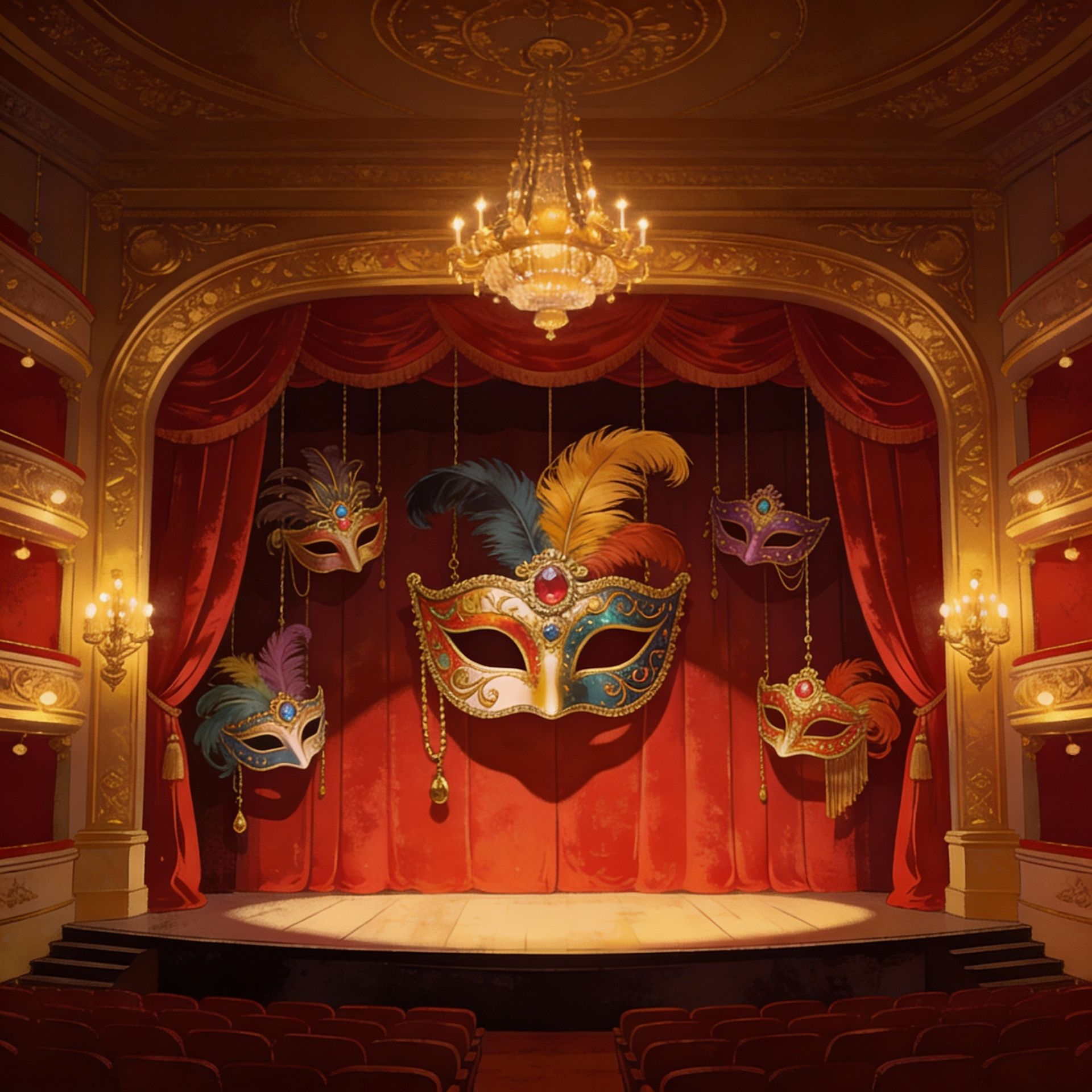
men were the only individuals allowed to play both male and female roles. Indeed, actors had to cross-dress to play female characters, wearing dresses and masks. The masks allowed the audience to recognize and differentiate the characters, since, as a reminder, there was originally only one actor who had to play several roles; the masks were therefore essential for the audience to understand the plot.
Subsequently, theatre modernized and gave women a place from the 16th century onwards in Italy in the commedia dell'arte.
Theatre today
Today, theatre is
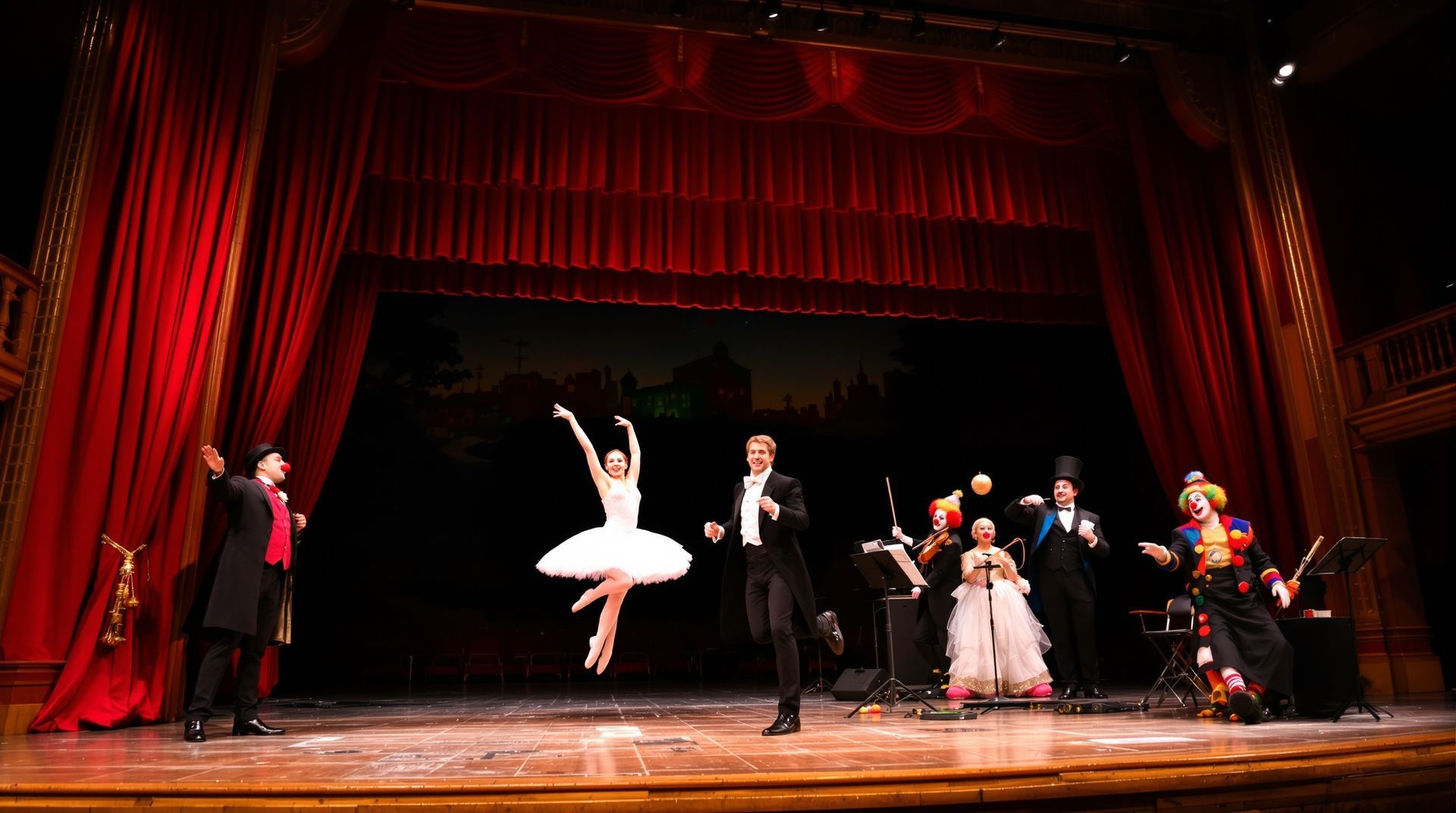
a genre that continues to be perpetuated and revisited. Directors continue to stage ancient plays, but they also readily revisit classic works to bring them up to date. Interactive theatre is also developing more and more, adding a new dimension and allowing the audience to actively participate in the unfolding story.