What are the different types of shows?
Looking for a show to see, or wondering about the different forms of entertainment available? The world of live performance encompasses more than a dozen major artistic categories, each including numerous genres and subgenres. In this article, we review the main categories of shows, from classical theater to new multimedia forms, to help you find your way around.
How many types of shows are there?
We can distinguish different major families of live entertainment, each encompassing numerous genres and subgenres.
Here are the main categories you can find:
- Musical performances: classical concerts, jazz, rock, opera, musicals, recitals
- Theatre: classic plays, contemporary theatre, one-man shows, improvisation
- Dance: classical ballet, contemporary dance, urban dance, world dances
- Circus arts: traditional circus, contemporary circus, street performances
- The art of puppetry: puppet theatre, object theatre
- Comedy and cabaret shows: stand-up comedy, variety shows, impersonators
- Magic and prestidigitation: close-up magic, grand illusions, mentalism
- Multimedia forms: performances combining video, sound and digital interaction
This classification is not fixed. Many shows blend several disciplines. For example, a musical combines theatre, music, and dance. Contemporary circus often incorporates theatrical or musical elements.
Some categories are also further divided according to the target audience. Shows for young audiences use these same artistic families, but adapt them for children and families.
To better understand the richness of this diversity, it is helpful to delve into the details of each major family and explore the genres that compose them.
The major categories of entertainment and their genres
The world of live performance is divided into major categories, each with its own codes and traditions. Theatre takes us from Molière to contemporary creations, including musical theatre and one-man shows. Music covers a vast territory: rock concerts, piano recitals, operas, variety shows, and electronic music festivals. Dance explores all styles, from classical ballet to hip-hop, including tap and contemporary dance.
Circus arts blend acrobatics, juggling, and animal training, with modern forms such as contemporary circus and the new circus. Magic captivates with its close-up tricks, grand illusions, and mentalism shows. Finally, comedy and cabaret encompass stand-up, sketches, café-theater , and spectacular revues. Each category offers a range of styles and subgenres to suit all tastes and preferences.
The theatre
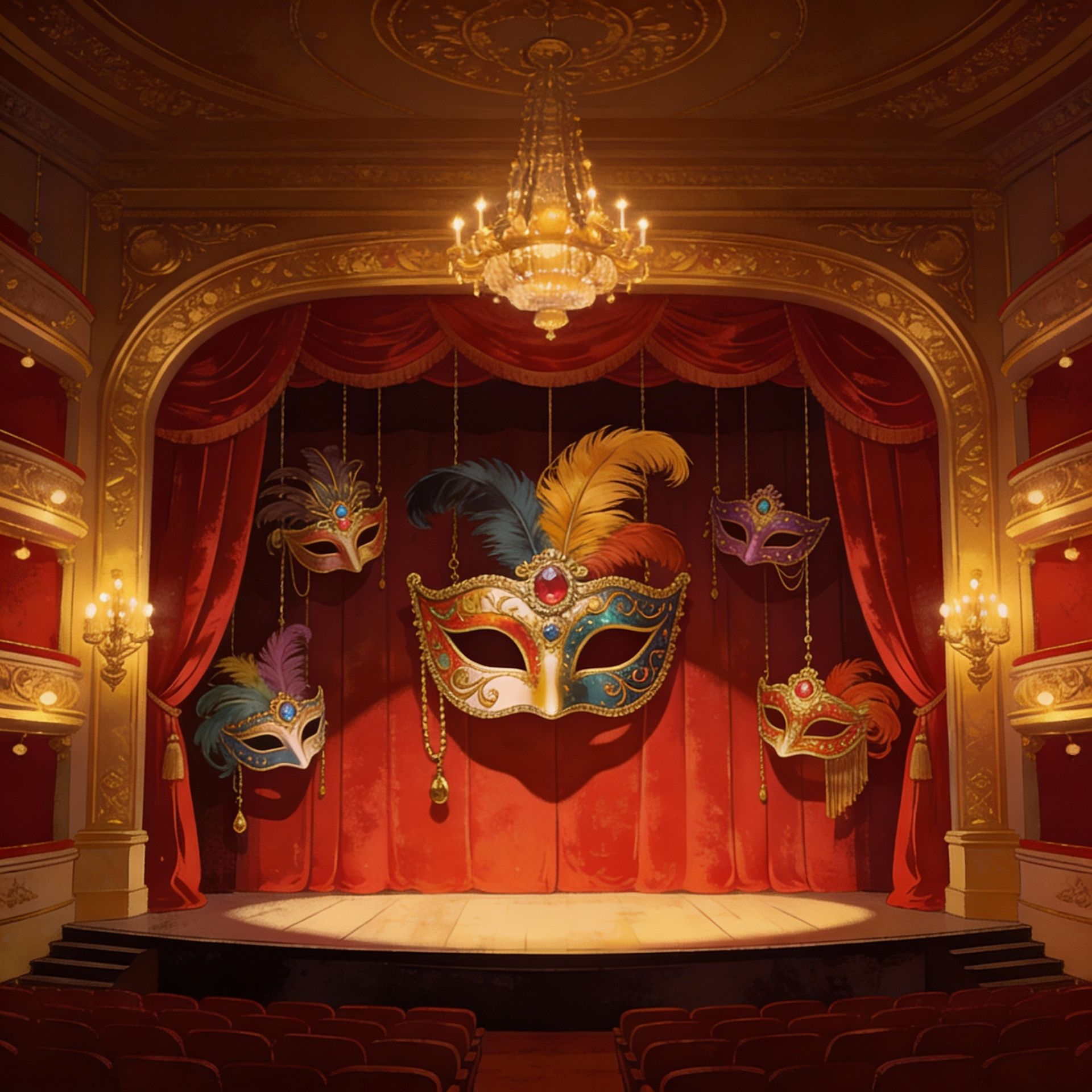
Theatre remains the oldest and most diverse performing art. Its three classical pillars continue to dominate programming: tragedy explores heroic destinies and fatal passions, comedy critiques society with humor, and modern drama blends laughter and tears to depict the human condition.
But theatre goes far beyond these traditional genres. Musical theatre combines text, song, and choreography to create complete shows. Improvisational theatre emphasizes spontaneity and interaction with the audience. Theatre of the absurd plays with conventions to question our times, while socially engaged theatre conveys strong political or social messages.
There are also more specialized forms such as vaudeville with its romantic misunderstandings, the one-man show which relies entirely on a single performer, or street theatre which takes place outside traditional venues. This diversity allows each spectator to find a style that suits them, from timeless classics to the most daring creations.
Music
Music probably represents the largest field of live entertainment. It comes in a multitude of genres that appeal to all audiences: classical music with its symphony orchestras and intimate recitals, jazz and its improvisations, rock and its electrifying concerts, or world music that takes us on a journey.
The formats are equally varied. A concert can take place in a small 200-seat venue or in a stadium with 80,000 spectators. Festivals bring together several artists over several days, creating a truly collective experience. Opera combines music and vocal art in grand productions, while recitals showcase the virtuosity of a single performer.
Each musical style has its own technical conventions. Classical music favors natural acoustics and requires little amplification. Conversely, amplified music demands sophisticated sound and lighting systems. This diversity allows every music lover to find something to enjoy, whether it's the intimacy of a jazz quartet or the infectious energy of an electronic music festival.
The dance
Dance offers an impressive range of styles, from the most codified to the most free. Classical ballet remains the technical benchmark with its pointe shoes, tutus, and age-old rigor. In contrast, contemporary dance prioritizes personal expression and freedom of movement, often on the floor or in multidirectional projections.
Urban dances like hip-hop bring their street energy with breakdancing and its spectacular acrobatics, popping, and locking. Jazz blends African-American influences with modern musicality, while Latin dances (salsa, bachata, samba) captivate with their sensuality and infectious rhythms.
Each region of the world has developed its own traditions: Andalusian flamenco with its clapping and guitar, classical Indian dances with symbolic gestures, or folk dances that tell the story of peoples.
This diversity allows spectators to discover very different worlds according to their tastes: from the elegance of Swan Lake to the energy of a breakdance battle, via the poetry of a contemporary creation.
The circus
The circus remains one of the most popular forms of entertainment, especially among families. This art form is now available in several distinct styles.
The traditional circus retains its historical elements: a 13.5-meter circular ring, a variety of acts featuring acrobats, clowns, and jugglers, and the famous ringmaster who introduces each performance. Long associated with trained animals, this type of circus is gradually evolving towards shows without animals for reasons of animal welfare.
The new circus, which emerged in the 1970s, focuses on artistic innovation. It blends traditional disciplines with dance, theatre, and new technologies. Shows become more narrative and stage-driven, like those of Cirque du Soleil or Les 7 Doigts de la Main.
Circus arts encompass all disciplines: ground and aerial acrobatics, trapeze, aerial silks, Chinese pole, balancing, juggling, and clowning. These techniques are found in both traditional and contemporary shows, offering an immense creative palette to today's artists.
Magic and illusion
Magic and illusion form a unique performing art that plays with our perception of reality. This discipline encompasses several distinct genres, each with its own set of rules.
Close-up magic, or magic performed at close range, takes place just inches from the audience. Card tricks, coin manipulation, or manipulation of small objects: everything hinges on direct interaction and dexterity. In contrast, grand illusions emphasize spectacle with impressive visual effects, often accompanied by music and sophisticated lighting.
Mentalism explores a different territory. It simulates paranormal phenomena: mind reading, predictions, or psychological influences. This approach prioritizes the mental aspect over the manipulation of objects.
Modern illusion shows often blend these genres. A magician might begin with close-up magic, follow with mentalism, and then finish with a grand illusion. This variety keeps the audience engaged and creates a dynamic rhythm.
Escapology, comedy magic, and ventriloquism further enrich this repertoire. Each style requires specific skills and years of practice to master the misdirection techniques that make these performances successful.
Humor and cabaret
Humor plays a central role in the world of live entertainment, with formats that have evolved with the times. Stand-up comedy focuses entirely on the direct interaction between the comedian and their audience. A single artist on stage, a microphone, and stories that hit the mark. The one-man show takes this concept further by offering a complete performance centered around a single performer.
Improvisational theatre brings an unpredictable dimension. The actors build their sketches in real time, often based on suggestions from the audience. This spontaneity creates a unique connection with the audience.
Cabaret remains a genre unto itself. Originating in Paris at the end of the 19th century, it blends song, dance, comedy, and burlesque acts in a convivial atmosphere. Spectators can usually enjoy drinks and dinner during the performance. The humor is often satirical, with a freedom of expression that allows for social commentary.
These formats share a close connection with the audience that distinguishes them from other performing arts. They prioritize authenticity and spontaneity, creating unique moments at each performance.
Multimedia and interactive shows
Multimedia performances are revolutionizing the way we experience live art. These creations fuse traditional arts with the latest digital technologies.
In practical terms, you can attend performances that blend video, sound, light, and even virtual reality. Video mapping transforms sets into living canvases. Holograms create striking illusions. Motion sensors allow artists to interact with virtual elements in real time.
But the real revolution lies in your role as a spectator. You no longer sit passively in your seat. These shows invite you to participate actively:
- Vote to influence the course of history
- Interact directly with the artists on stage
- Use your smartphone to trigger effects
- Wear a virtual reality headset to experience the action from the inside
- Manipulating touchscreens that change the show
This participation transforms each performance into a unique experience. Cirque du Soleil now integrates these technologies into its acts. Coldplay concerts use synchronized light-up bracelets worn by all audience members. Some theaters offer plays where your choices determine the ending.
These shows require multidisciplinary teams. Artists, developers, sound designers, and computer scientists work together. The result? Worlds impossible to create otherwise and a total immersion that engages all your senses.
You can find them in innovative theatres, digital festivals, contemporary art museums or even in public spaces during events like the Lyon Festival of Lights.