Superstition: Why is green considered unlucky in the theatre?
Superstition: Why is green considered unlucky in the theatre?
While the world of theatre is rich in traditions and symbols, few superstitions are as persistent as the one surrounding the color green. Why would green, synonymous with nature and renewal, bring bad luck on the stage? To understand this, we must delve into history, explore popular beliefs, and decipher the influence of this color in the world of theatre.
Green, unlucky in the theatre: an origin tinged with toxicity
To begin with, the aversion to green in the theater is not simply a matter of aesthetic whim. It has its roots in very real facts. In the 17th and 18th centuries, stage costumes were often made with dyes based on copper arsenate, a pigment that gave the fabric a beautiful emerald hue, but which was highly toxic. Actors who wore these garments, under scorching spotlights or on poorly ventilated stages, risked headaches, skin burns, or even poisoning.
It is said that some artists refused to wear green close to their skin, fearing skin irritation or serious illness…
This very real danger gradually fueled a distrust of the color green, perceived as ominous or cursed. Over time, the chemical cause faded, but the unease remained, transformed into superstition. Green thus became synonymous with bad luck.
Molière and the tragedy of the anecdote
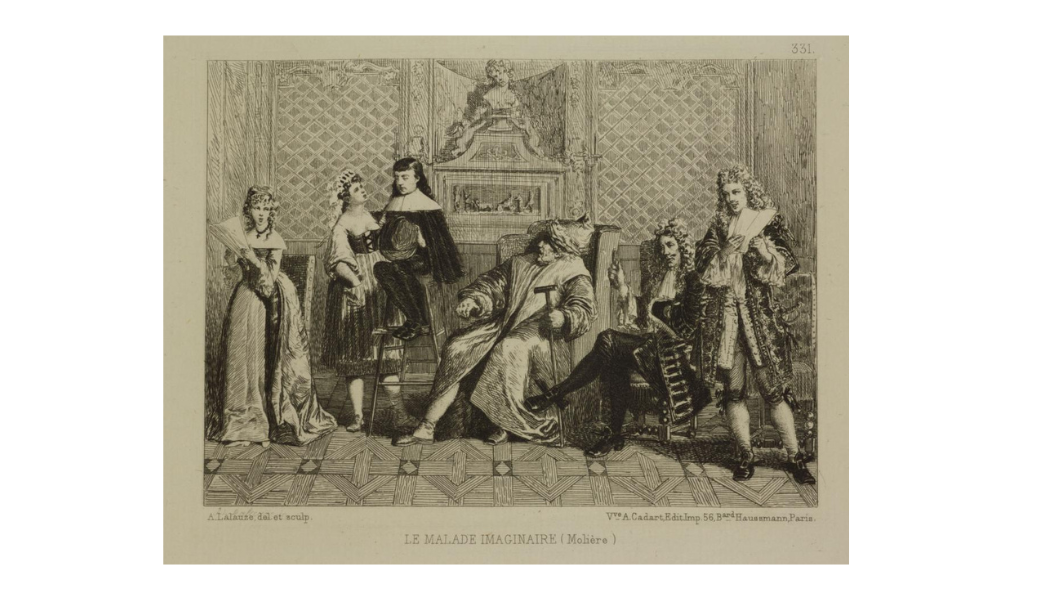
Another emblematic story fuels this belief. It concerns Molière, a major figure in French theater, who supposedly died dressed in green after a performance of The Imaginary Invalid in 1673. While historians agree that he wore a costume of this color for his last appearance on stage, theidea that his death was directly linked to his clothing is pure legend. Yet, this tragic coincidence was enough to perpetuate the taboo, and that is why green is said to bring bad luck in the theater...
Thus, from the 17th century onwards, the fear of green took root, the very idea of "fatal green" gained ground.
Even today, some actors on tour refuse to sit in a green chair in the dressing rooms, as if they fear tempting fate. It's also not uncommon for an unwelcome green prop to be discreetly removed before the curtain rises.
Because artists are particularly sensitive to signs, this story has endured through the centuries as a silent warning. The irrational fear of green has been passed down from generation to generation, to the point of becoming ingrained in the customs and practices of many theatrical companies.
A unique color in the symbolic spectrum
In many cultures, green evokes nature, balance, and hope. But in the theater, it has become a counter-symbol. Unlike red, associated with passion, or black, which conveys drama, green struggles to find its place on stage.
All it would have taken was for an actor in green to disappear into the shadows for the shadows to turn into a curse.
This perception is reinforced by practical considerations: under certain lighting conditions, particularly older incandescent spotlights, the green costumes could appear dull or indistinct, hindering the actors' visibility. Even though current technologies have largely resolved this problem, old habits die hard.
Superstition today: between respect and provocation
In some drama schools, it's still common to invoke the "curse of green" to test students' sensitivity. It's a playful way to pass on theatrical folklore while highlighting the importance of history and symbolism in acting.
Ultimately, why is green considered unlucky in the theater ? In essence, it doesn't truly bring bad luck, but in the collective imagination, it embodies a legacy of risk, intense emotions, and memorable anecdotes. It reminds us that the stage is a place of transmission, where we play as much with words as with unseen signs.
Refusing or adopting green then becomes a choice, between respected tradition and a spirit of defiance.