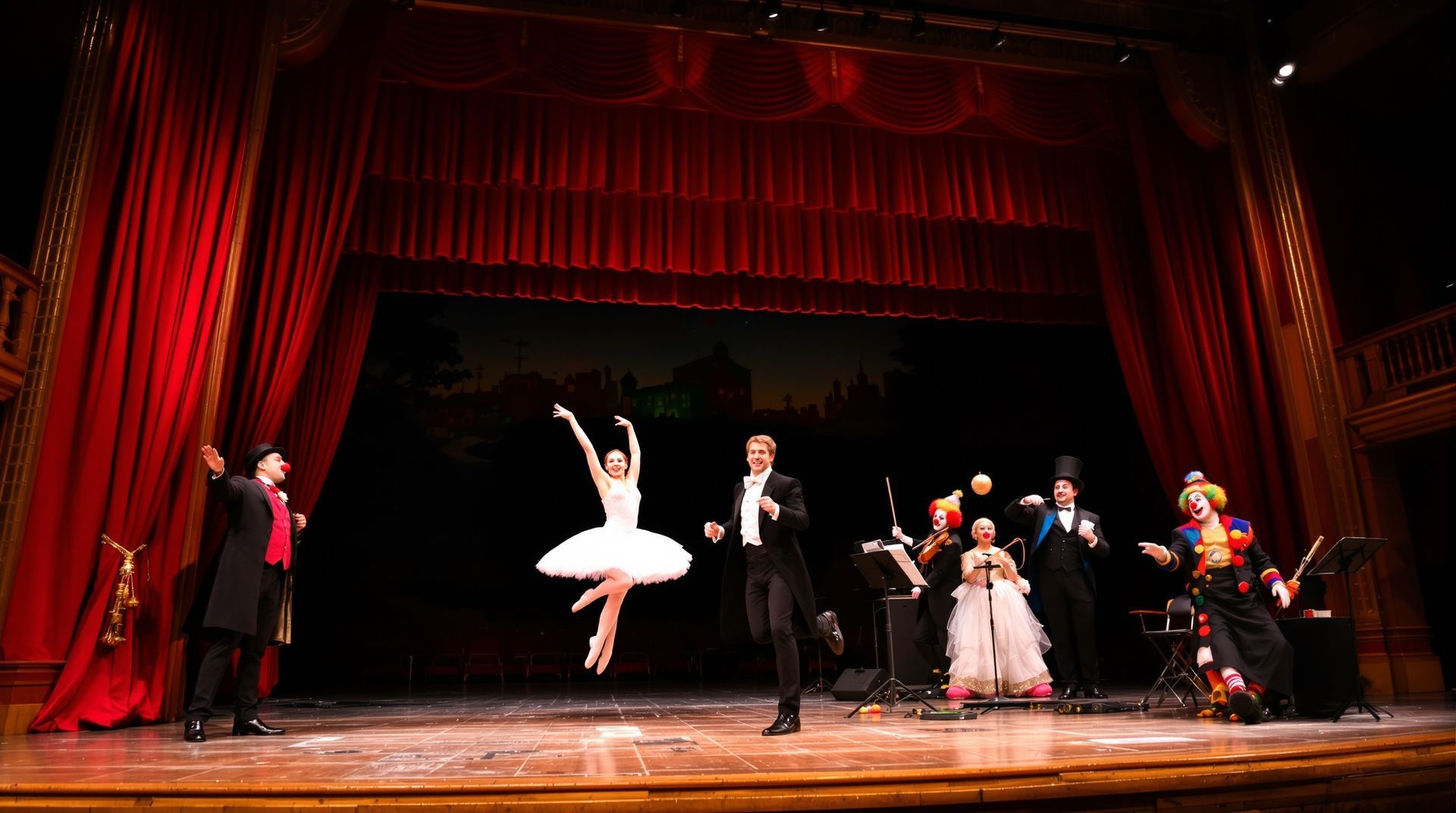
The benefits of comedy theatre for children: why favour short plays?
You've probably experienced this scene: your 5-year-old starting to fidget after 20 minutes of a show, or your teenager sighing conspicuously during a play that's "too long." Yet, these same children can stay glued to their phones, so why not a well-paced comedy play?
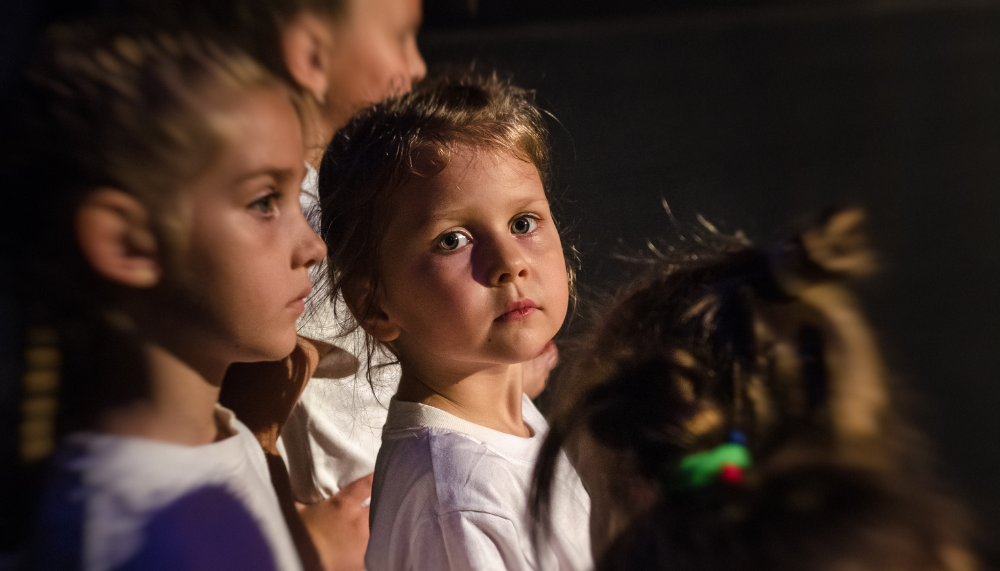
1) Laughter as a driving force for learning in a comedy play
A comedy play naturally stimulates children's attention through laughter. Contrary to popular belief, laughter is not passive: it engages multiple brain areas and promotes memory. Neuroscience demonstrates that humor activates the brain's reward system, releasing dopamine, which improves concentration and facilitates learning.
For children, this positive stimulation creates lasting associations between culture and pleasure. A comedy play also develops their ability to decode the subtleties of language, wordplay, and absurd situations, significantly enriching their understanding of the world and human relationships.
The exaggerated facial expressions of actors in comedy are particularly helpful for young children in identifying and naming emotions. This emotional recognition is a fundamental social skill that naturally transfers to their everyday interactions.
2) Development of empathy and social skills
Family comedy plays often present universal relationship situations: sibling rivalry, generational misunderstandings, or everyday challenges treated with humor. These performances allow children to see their own experiences reflected on stage, validating their emotions while offering new perspectives.
Identifying with characters develops empathy: children learn to understand different points of view and anticipate the reactions of others. This ability to decenter oneself, fundamental for social relationships, is naturally built through observing theatrical interactions.
The laughter shared as a family during a children's or teen play also creates positive shared memories and strengthens intergenerational bonds. These special moments contribute to building a lasting family cultural foundation.
Why favor short pieces?
Children's attention spans vary considerably depending on their age. Here are some time guidelines to help you choose a play for your children:
- 3-5 years: 15-20 minutes maximum
- 6-8 years: 30-45 minutes
- Ages 9-12: 1 hour to 1 hour 15 minutes
Beyond these durations, attention spans decline rapidly, transforming the cultural experience into an ordeal. The child becomes restless, disengages from the performance, and may develop a negative association with the theatre.
Short comedic plays maintain a brisk pace, avoid lulls, and focus the plot on the essentials. This narrative condensation forces authors to be economical with means, which paradoxically serves the artistic richness: every line, every gesture counts.
Choosing the right children's play according to age
- For children aged 3-6, choose shows of 30 minutes maximum, with a simple plot, clearly identifiable characters, and colorful set design. The humor should be visual and physical rather than verbal.
- Children aged 7-10 enjoy shows lasting 45 minutes to an hour, featuring simple wordplay and more elaborate comedic situations. They can follow a plot with twists and turns while remaining captivated by a well-constructed comedy play.
- Pre-teens (11-13 years old) can tolerate longer shows and appreciate situational humor, misunderstandings, and even light irony. They develop their critical thinking skills and can analyze the comedic techniques of a more elaborate children's play.
Extend the magic after the show
Prepare for the outing by briefly explaining the story without revealing any surprises. After the show, encourage your child to talk about what they liked best, to imitate a character, or to draw a memorable scene. These activities extend the cognitive and creative benefits of theater.
Don't hesitate to revisit the themes addressed in the play in similar everyday situations: "Do you remember the character who...", show your interest in their feelings: "What was your favorite moment?".
A short, simple, comedic play for children offers an ideal introduction to culture. It is perfectly respectful of a child's development while maximizing its educational and emotional benefits. A thoughtful approach to these first theatrical experiences lays the foundation for a lasting relationship with the performing arts.
Check out our program in your city: Avignon, Paris or Lyon and discover our plays suitable for all generations!