Where to sit in the theatre?
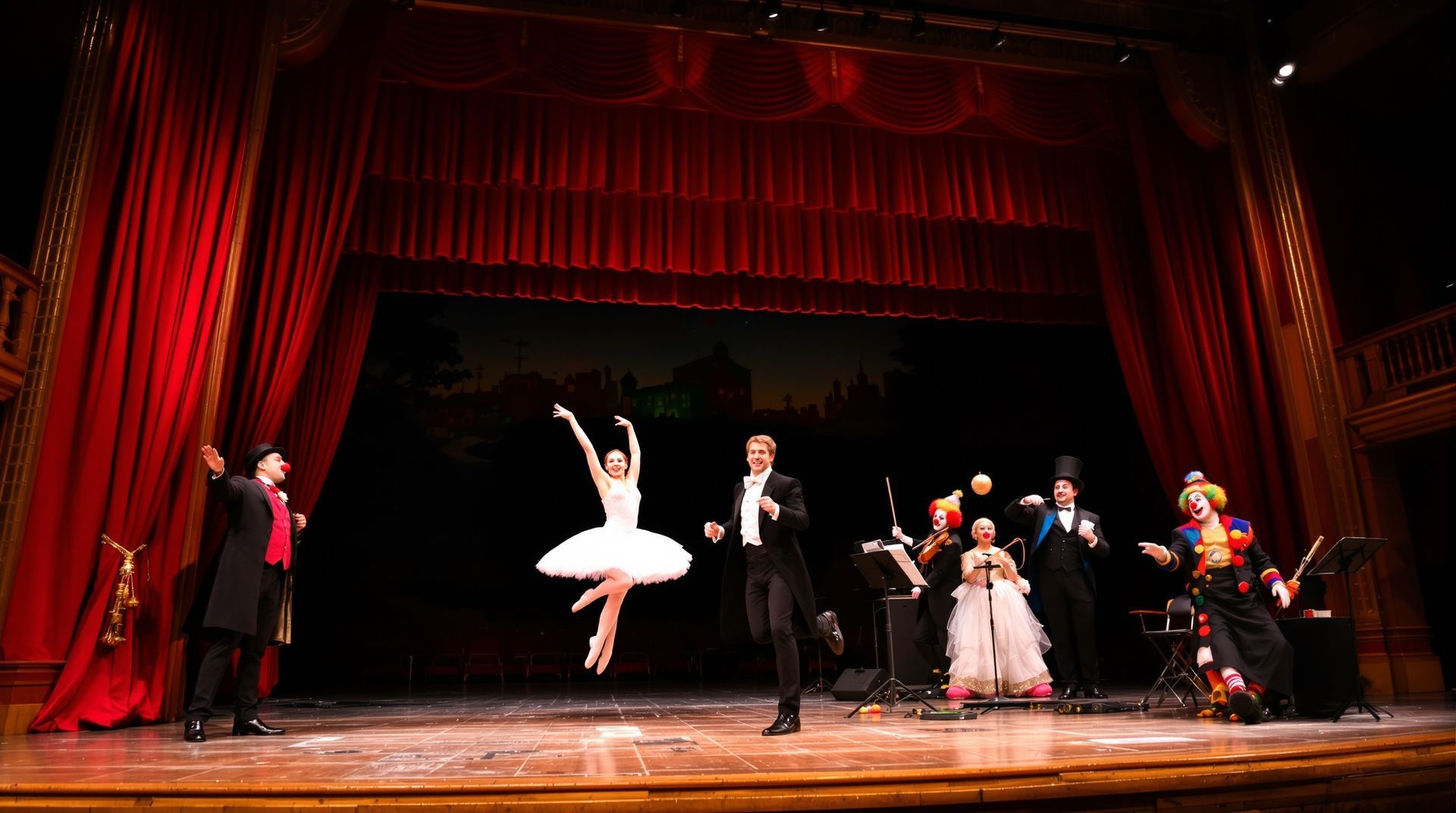
Once the three knocks sound, the curtain rises, and the lights dim, every spectator hopes to experience an unforgettable moment in the darkness of the theater. But before going in and before being able to observe the actors' performances and the sets, a decision must be made: where to sit? The choice of seat can indeed have a significant impact on the overall experience, influencing the view, the acoustics, and even the immersion!
Here we explore the different seating areas in a theatre, examining the advantages and disadvantages of each. This way, no matter which theatre you choose, you can carefully select where to sit.
Where should you sit when you go to see a play?
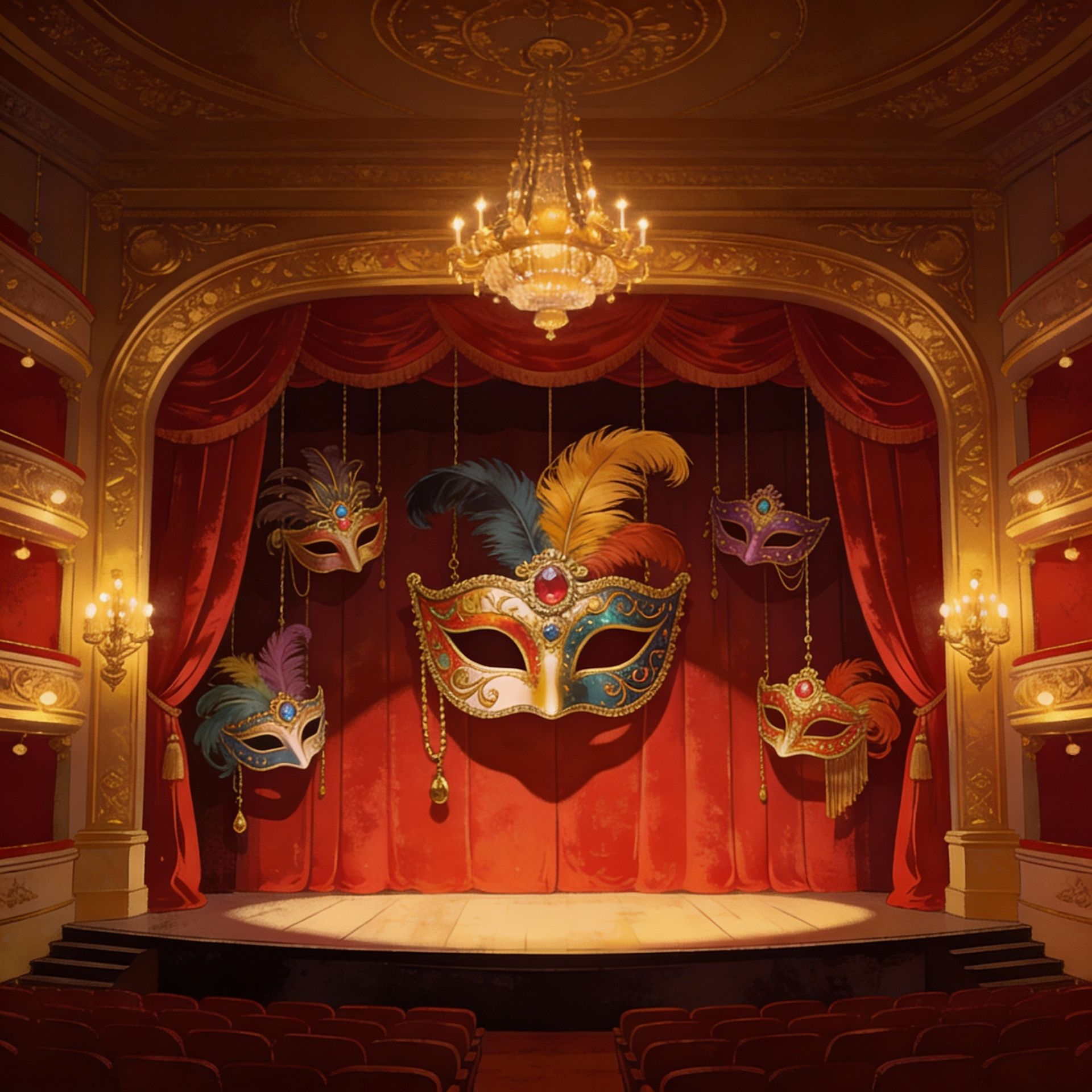
In most theaters, seating areas are generally divided into several sections, each offering a different experience for the audience. Various layouts exist, designed and proposed with the specific characteristics of the space in mind; several configurations are therefore possible!
To fully appreciate the actors' performance and the play, it is important to know the sections and choose your seat carefully.
In front of the orchestra (or stalls)
The orchestra, or stalls, is a section located at ground level, directly in front of the stage. The seats in this section often offer a close view of the stage but can sometimes be more expensive than those in other sections.
On balconies or upper floors
The balconies or upper levels are located above the orchestra and offer an elevated view of the stage. They can be divided into several levels, with ticket prices varying according to height and distance from the stage.
In the dressing rooms
Boxes are small, private sections located at the sides of the theater that offer a side view of the stage; they can be a more intimate option for some spectators but are generally more expensive than orchestra seats. Not all theaters have this type of space, which is why they are so highly regarded!
They are privileged because they are rare.
In the front rows
The first rows of each section (orchestra, balconies, etc.) allow you to have an unobstructed view of the stage but in some cases may also be less appreciated because they are too close to see the whole stage without having to look up.
These seats are reserved for people who want to be as close to the action as possible!
On the sides or at the back
The sides and rear offer seats with a slightly obstructed view of the stage, depending on the theater's layout. These seats are often less expensive than those in the center or front, making them a popular choice for those on a budget. Furthermore, some theater configurations are ideal because they allow you to take advantage of discounted tickets while still enjoying an unobstructed view.
How to choose where to sit in a theatre?
Choosing where to sit at the theatre depends on several factors, including your personal preferences and the type of show you're going to see. To help you reserve the perfect seat for your next theatre outing, here are a few tips.
- Pay attention to the view : many people prefer to sit in the orchestra or balcony sections for an unobstructed view of the stage. If you want to pay attention to the entire performance, down to the smallest details, you should obviously avoid seats with visual obstructions such as pillars or railings;
You should therefore book as soon as possible to avoid ending up with these places as your last choice!
- Acoustics : if sound quality is important to you, choose seats where the sound is well balanced. Often, the best seats in this regard are located in the middle of the hall, at a reasonable distance from the stage;
- Budget : the most expensive seats are usually in the center of the orchestra or in the first few rows of the balconies. If you have a limited budget, you can book seats further from the stage or on the sides;
Seats further away or to the side are not always uncomfortable; it's a perfect compromise for those on a budget!
- Proximity to the stage : if you want to be close to the actors, opt for seats in the front rows of the orchestra. However, keep in mind that in some theatre configurations, it may be necessary to crane your neck to see the entire stage;
- Personal preferences : some people prefer to be near the exit while others prefer to be more central for a more immersive experience… It all depends on you! We therefore advise you to choose where to sit in the theatre based on your own preferences and comfort needs.
Now you have all the information you need to choose where to sit at the theater without fear of making the wrong choice. In any case, remember that if a choice didn't suit you the first time, you can always come back and choose a better one!
Any excuse is a good one to go to the theatre and come back again!