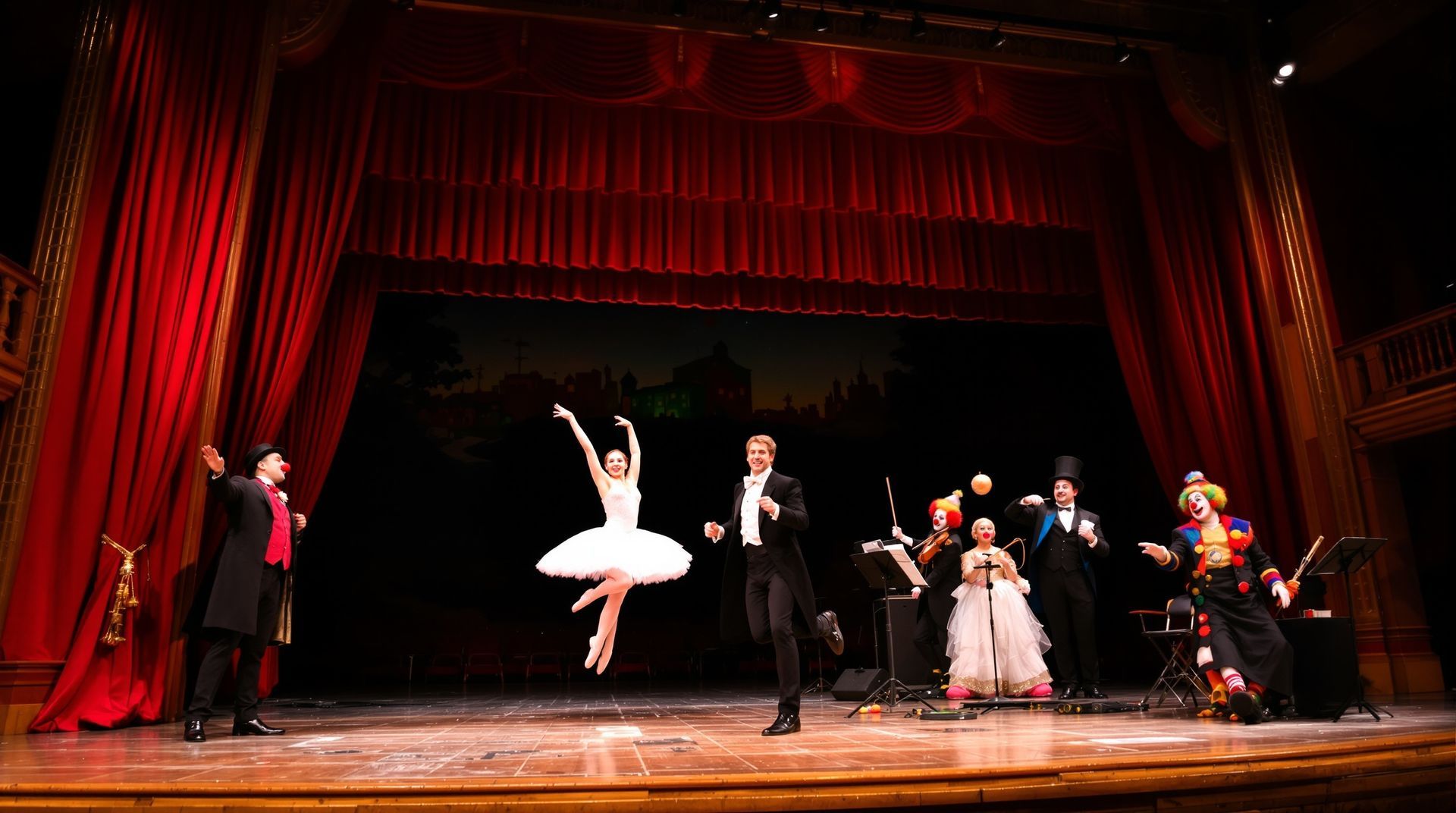
Rediscover the great classic: Don Juan by Molière!
Among the timeless masterpieces of French literature and theater, Molière's Don Juan holds a special place. This play, first performed in 1665, continues to fascinate with its audacity, humor, and profound exploration of the human condition. Whether you are a theater enthusiast or simply curious, rediscovering Don Juan is an invitation to delve into a world where the complexities of human relationships and the contradictions of the soul come alive on stage.
Molière's Don Juan: Centuries of History
When Molière wrote Dom Juan or The Stone Guest, he did not simply tell the story of an unscrupulous seducer. He constructed a social and religious critique, while also offering a philosophical reflection on the excesses of the individual in the face of the norms of his time.
The character of Don Juan is not an invention of Molière: his origins lie in Spanish literature, notably in *El Burlador de Sevilla y convidado de piedra *. However, Molière's version stands out for its complexity. Don Juan is not merely a libertine: he is a man in search of absolute freedom, defying conventions and dogmas with a brilliant but destructive mind.
This play was the subject of much controversy upon its release. Banned for several years, it has nonetheless transcended the centuries and risen to the status of an essential classic. Each era has found its own specific resonance within it, proof of the universality and modernity of Molière's text.
To be tempted by adaptations and re-adaptations
Don Juan has inspired countless adaptations, whether in theatre, film, or other artistic forms. Famous directors such as Jean Vilar, Patrice Chéreau, or more recently Emmanuel Daumas, have offered captivating reinterpretations of the work, often incorporating contemporary issues.
In cinema, directors like Jacques Weber or Joseph Losey have offered their own vision of the famous libertine, playing on various aspects: romanticism, irony or even the tragic dimension of the character.
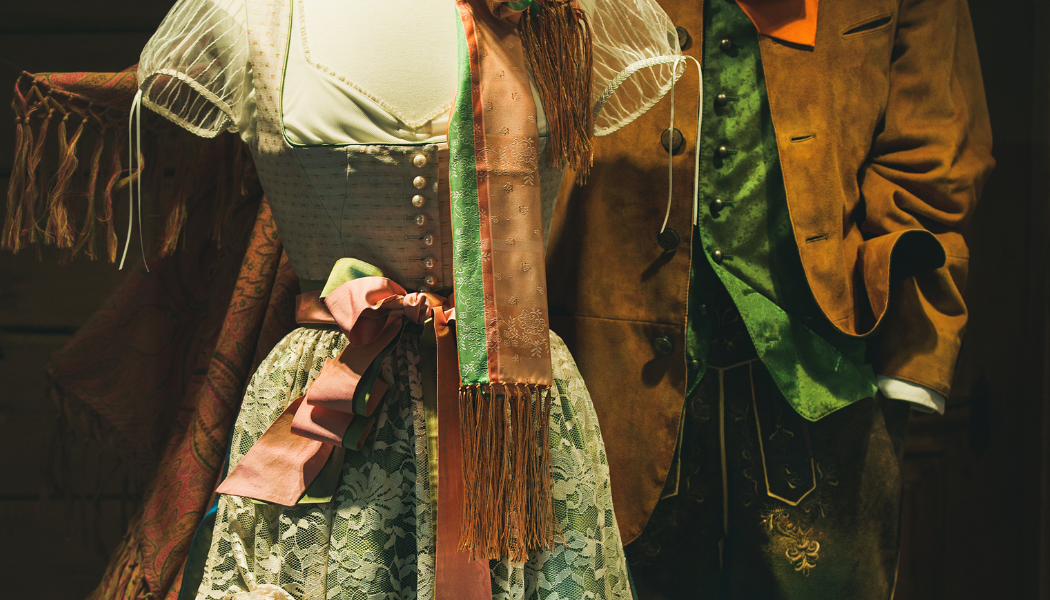
These adaptations allow us to rediscover the work from new and unexpected perspectives. The costumes, sets, and modern staging reinterpret the play while respecting its essence. Each version offers a window into the concerns of its time, whether it be the critique of patriarchy, the analysis of social relations, or questions of morality.
Immersing oneself in an adaptation also means understanding how a 17th-century text can still resonate in today's world.
Why is (re)watching Don Juan interesting, even today?
Revisiting Molière's Don Juan today means confronting themes that remain relevant today: power, seduction, social hypocrisy, and the search for meaning. The dilemmas of the main character, while rooted in their time, resonate with our modern concerns.
The play explores the notions of freedom and transgression: how far can one go to assert one's individuality? Is Don Juan a free hero or a selfish antihero? These questions are at the heart of contemporary debates on ethics and individual responsibility.
Furthermore, the richness of Molière's text offers a true delight for lovers of fine dialogue. His blend of humor, satire, and tragedy creates a complete work that leaves no spectator unmoved.
Finally, the current staging of such a famous play is a unique experience. The actors and directors bring their personal vision, making each performance different and vibrant. To see Don Juan is to encounter a classic that, far from being static, reinvents itself with each new interpretation.
Rediscovering Molière's Don Juan is not only to immerse oneself in an essential part of French theatrical heritage, but also to reflect on the values and challenges of our time. Whether you are a theatre enthusiast or simply curious, let yourself be captivated by this masterful work that has stood the test of time.